
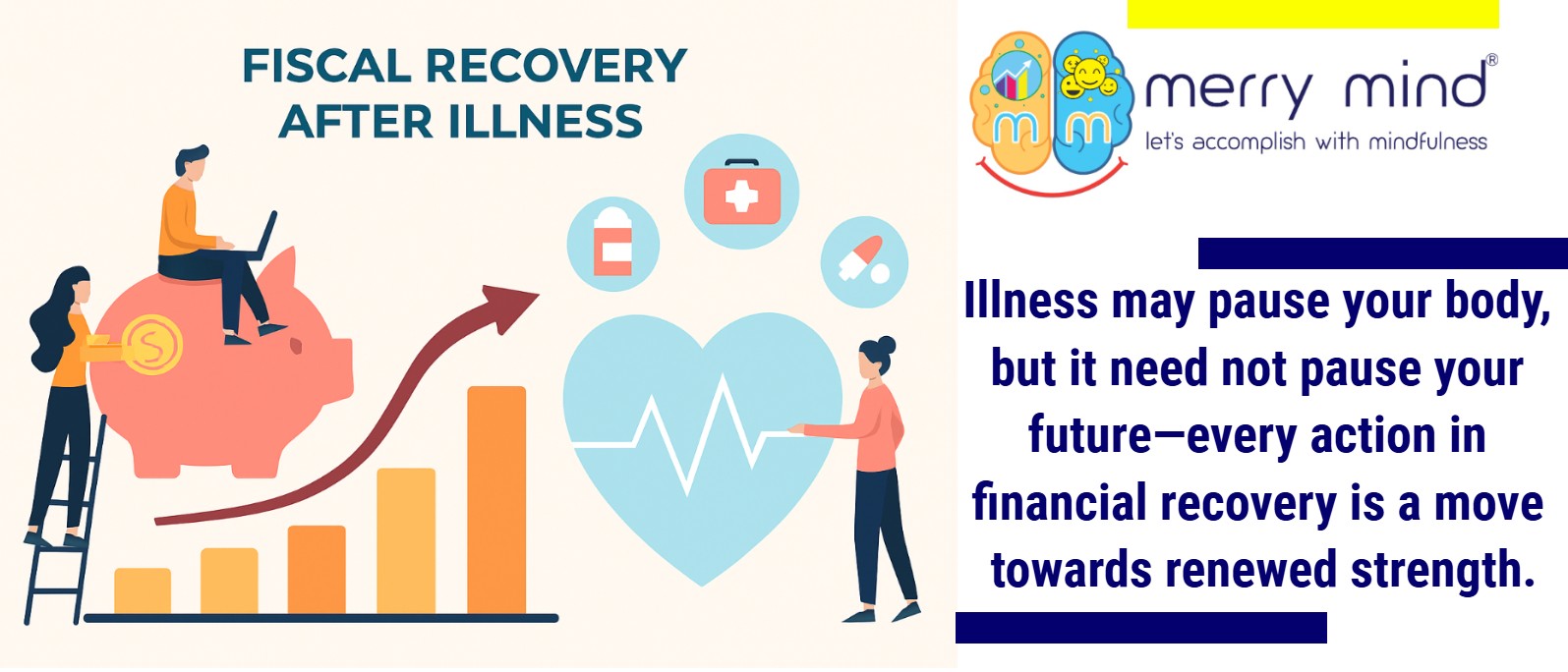
Financial recovery after major illness is about more than bills—it’s about regaining control with care and clarity. In the first weeks after treatment, money decisions carry emotional weight: income may dip, insurance feels complex, and debt can press hard. This guide offers practical, compassionate steps for financial recovery after major illness so you can stabilise cash flow, restructure debt after illness, manage lost income, and close health insurance gaps without overwhelm. Start small: protect essentials, document every claim, and negotiate firmly but kindly with hospitals and creditors. Then, build a conservative plan that respects your energy while strengthening your finances—budgeting during recovery, prioritising high-cost debts, and right-sizing insurance for the road ahead. With steady actions and the right support, you can move from uncertainty to resilience, one thoughtful choice at a time.
Rapid assessment and stabilisation
As a Certified Financial Planner in Kolkata, I would urge you to start with a calm, clear picture of where you are. The goal is to remove surprises and protect essentials while you rebuild.
- Collect bills and claims: Gather medical invoices, treatment schedules, filed insurance claims, and any denials.
- Count immediate cash: Note emergency savings, accessible investments, expected salary or sick pay, and available low-cost credit.
- Prioritise essentials: Separate must-pay expenses (housing, utilities, medicines, food) from discretionary items.
- Stabilise cash flow (first 30 days):
- Protect basics: Pay for shelter, food, and healthcare first.
- Trim nonessential costs: Pause subscriptions and postpone non-urgent purchases.
- Use employer benefits: Tap paid sick leave, short-term disability, or employee assistance programmes.
- Choose low-cost liquidity: If needed, favour negotiated family loans or small emergency loans over high-interest credit.
- Small, deliberate moves reduce stress and keep options open.
Working with insurers, hospitals, and creditors
Treat each interaction like an investment—documented and firm.
- File and follow up: Keep itemised bills and explanations of benefits; track calls, emails, and outcomes.
- Ask for relief: Request hardship programmes, cash discounts, or phased payments from hospitals.
- Negotiate terms: Many providers and creditors will reduce or extend payments when asked clearly and early.
- Explore support: Apply for government schemes or NGO assistance where available.
Clear records and kind firmness often lower out-of-pocket costs.
Debt restructuring after major illness
Debt isn’t a moral failure; it’s a lever you can adjust. Restructuring reduces strain and preserves essentials.
- Contact early: Explain your situation and request revised terms or payment plans.
- Consolidate wisely: Replace high-interest debt with manageable, lower-rate structures where possible.
- Seek neutral help: Consider professional credit counselling to negotiate and prioritise.
- Pause new debt: Avoid fresh borrowing until cash flow stabilises.
Target high-cost debts first while maintaining minimums elsewhere.
Managing lost income and planning your comeback
Capacity may change for a while. Plan with care so pressure doesn’t outpace recovery.
- Model scenarios: Build best, likely, and cautious income plans.
- Phase your comeback: Consider part-time, consulting, or role adjustments that match your energy.
- Upskill selectively: Explore short courses if long-term capacity or work type may shift.
- Use protection benefits: Activate income protection or critical illness policies, if held.
A conservative plan buys breathing room.
Reviewing health insurance to close coverage gaps
Insurance is a contract; clarity prevents costly surprises.
- Map coverage vs exclusions: Understand what’s covered, what’s capped, and what’s excluded.
- Check networks and authorisations: Use in-network providers and secure pre-approvals where required.
- Add riders where relevant: Consider critical illness or income replacement riders to strengthen protection.
- Supplement smartly: Explore plans for uncovered services or long-term medications.
- Better alignment today prevents leaks in tomorrow’s cash flow.
Budgeting during financial recovery
Think lean, not harsh. As a Financial Advisor in Kolkata, I advocate the fact that a clear budget is your lifeline.
- Protect must-pays: Housing, utilities, groceries, medications.
- Trim gently: Reduce discretionary spend and delay big purchases.
- Track weekly: As a SEBI Registered Investment Adviser in Kolkata, I urge clients to track cash flow closely—short feedback loops prevent shocks.
Your budget reflects care for future-you, not just cuts for today.
Practical checklist to act on now as a move towards financial recovery
- Documents: Collect and organise medical invoices, insurance papers, and claim histories.
- Verification: Call insurers and hospital billing to confirm balances and options.
- Freeze and floor: Pause nonessential payments; set minimums on credit accounts.
- Support: Apply for employer, government, or charity programmes.
- Plans: Create a two-month survival budget and a six-month conservative cash flow plan.
Preparing for improving long-term financial health
As a Fee Only Financial Planner in Kolkata, I have experienced that recovery is a season; resilience is the system you build around it.
- Insurance adequacy: Right-size health cover and protections for future needs.
- Emergency fund: Rebuild gradually to buffer future shocks.
- Retirement and healthcare: Account for ongoing medical costs in long-term planning.
- Estate readiness: Update wills, nominations, and powers of attorney.
- Regular reviews: Revisit your plan with a professional adviser as health and income evolve.
A note for your road forward during Financial recovery
Healing has its own tempo. If you take small, steady steps—restructure debt, manage lost income, and close insurance gaps—you reclaim financial stability and peace of mind. Every thoughtful choice today is a seed for resilience tomorrow.
